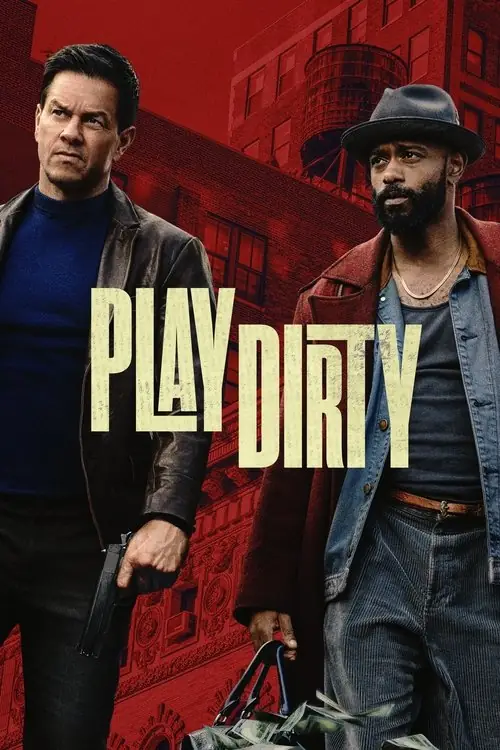
INT. GALLERY ROOM — NOIR · SHADOW & SMOKE — DAY
The heist film has long served as cinema's most elegant metaphor for the seductive logic of transgression, and Play Dirty plunges headlong into this tradition with a swaggering confidence that recalls the genre's golden age while charting its own audacious territory. The protagonist, Parker, occupies the archetypal position of the master thief — a figure whose moral opacity is offset by the sheer aesthetic pleasure of watching competence in action. The film's structural ingenuity lies in its multiplication of antagonists: rather than pitting its antihero against a single opposing force, the narrative constructs a three-headed hydra of menace, each representing a different locus of power in the global order. A South American dictator embodies the brute force of authoritarian statecraft; the New York mob incarnates the insidious reach of organized crime as parallel government; and the world's wealthiest individual serves as the ultimate avatar of capital's absolute dominion. This triangulation of villainy elevates the film beyond the mechanics of a simple caper, transforming it into a sly commentary on the architecture of power in the late-capitalist world. The directorial approach favors a muscular, propulsive style that mirrors the forward momentum of the plot itself. The editing rhythms are calibrated to the heist's internal clock — sequences of meticulous preparation give way to bursts of kinetic action, and the film derives considerable tension from the gap between the elegant perfection of the plan and the chaotic unpredictability of its execution. The cinematography employs a high-contrast, desaturated palette that situates the story in a moral twilight zone where the distinctions between lawful and criminal, righteous and corrupt, have been bleached of their customary clarity. There is a deliberate evocation of the neo-noir tradition, but the film resists the genre's characteristic fatalism in favor of something more nimble and irreverent. Thematically, Play Dirty engages with the fantasy of the sovereign individual — the lone operator who can outmaneuver systems that have been designed to be impenetrable. Parker's appeal is not that he is virtuous but that he is free, or at least that he operates under the illusion of freedom, and the film invites the audience to share in that illusion for the duration of its runtime. The heist itself becomes a kind of performance art, a demonstration that the machinery of power is not as monolithic as it appears, that there are cracks and seams through which a sufficiently clever operator can slip. The supporting cast of criminals who populate Parker's crew provides the film with its emotional texture, their camaraderie and friction creating a microcosm of the loyalties and betrayals that define life outside the law. The film's cultural significance extends beyond its genre pleasures: it functions as a barometer of popular attitudes toward wealth, power, and the legitimacy of institutions at a moment when faith in all three is in precipitous decline. The audacity of the heist — its sheer scale, its improbable ambition — speaks to a collective fantasy of redistribution, of cosmic comeuppance visited upon the untouchable. Yet the film is too smart to indulge in simple moralizing; it understands that the thrill of the heist is inseparable from the amorality of the heist, and it refuses to offer the audience the comfort of a clean ethical resolution. The result is a work that entertains as thoroughly as it unsettles, leaving the viewer exhilarated and complicit in equal measure.
Source Reference
Original archive log: https://www.themoviedb.org/movie/941109?language=en-US