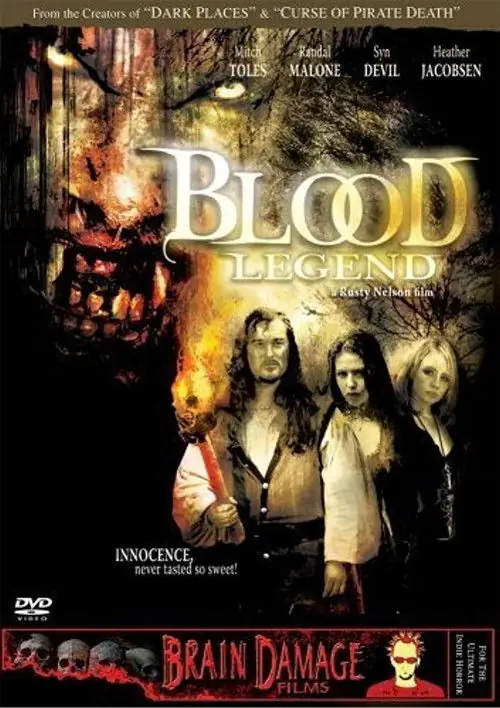
INT. GALLERY ROOM — NOIR · SHADOW & SMOKE — DAY
The witch film occupies a singular position within the horror genre, tapping into ancient anxieties about female power, forbidden knowledge, and the dangerous porosity of the boundary between the natural and supernatural worlds. Blood Legend situates itself within this tradition with a narrative that functions as a dark fable about the gap between promised reward and delivered reality, a theme that resonates far beyond the confines of its occult trappings. The young witch at the story's center is a figure of genuine pathos: she has devoted herself with methodical precision to the fulfillment of her uncle's demands, assembling her coven, performing the prescribed rituals, and laboring under the conviction that her obedience will be rewarded with the resurrection of a demon lover and an eternity of the bliss her uncle has catalogued in seductive detail. The film's structural brilliance lies in the architecture of its disillusionment: the demon lover, when finally summoned, bears no resemblance to the ravishing figure of legend, and the promised rewards curdle into something grotesque — a betrayal that is simultaneously cosmic and intimate, mythological and domestic. The director orchestrates this descent with a controlled escalation of dread that draws equally from the Gothic tradition and the psychological horror of familial abuse. The uncle emerges as a figure of almost archetypal menace, a patriarch whose authority is grounded not in love but in the systematic exploitation of a young woman's longing for transcendence. The coven, rather than functioning as a source of solidarity and shared power, becomes an instrument of control, a collective that amplifies the uncle's will rather than challenging it. This is a deeply pessimistic vision of community, one that understands how easily the structures of belonging can be weaponized against those who seek refuge within them. Visually, the film employs a chiaroscuro aesthetic that situates the action in a perpetual twilight, the boundary between light and shadow as unstable as the boundary between the living and the resurrected. The ritual sequences are shot with a ceremonial gravity that invests them with genuine power — the camera does not flinch from the grotesque but neither does it sensationalize, maintaining a dispassionate gaze that makes the unfolding horror feel almost documentary in its inevitability. The color palette is dominated by deep crimsons and the cold blue of moonlight, a chromatic scheme that reinforces the film's thematic preoccupation with the intersection of blood, desire, and the uncanny. Thematically, Blood Legend functions as a cautionary tale about the dangers of deferred gratification, of promises made by those in authority that have no intention of honoring them. The young witch's journey from devoted acolyte to horrified witness to eventual agent of her own liberation traces an arc that is recognizable from a thousand coming-of-age narratives, but the film's horror idiom gives it a visceral charge that realist treatments of the same material could not achieve. The cultural significance of the film lies in its engagement with the witch as a figure of feminine rage and reclamation — a tradition that has been revitalized in contemporary feminist discourse but that Blood Legend approaches with a complexity that resists simple celebration. The witch is not a heroine here but a survivor, and her survival is purchased at a cost that the film refuses to minimize. The emotional resonance is carried by the central performance, which navigates the transition from innocence to knowledge with a precision that transforms the genre material into something approaching tragedy. In the final accounting, Blood Legend is a film about the stories we are told and the stories we tell ourselves, and about the terrible moment when the two diverge — a horror that no amount of ritual can exorcise.
Source Reference
Original archive log: https://www.themoviedb.org/movie/28317?language=en-US