INT. GALLERY ROOM — SCI-FI · TOMORROW'S FRAME — DAY
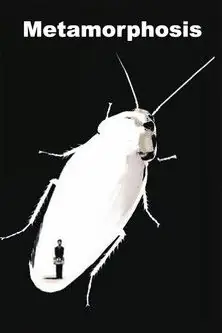
Franz Kafka's seminal novella has tempted filmmakers for decades, its surreal premises and existential dread proving notoriously difficult to translate from page to screen. This adaptation rises to the challenge through a bold formal choice: presenting the narrative entirely through the protagonist's perspective, forcing viewers to inhabit the disorienting experience of waking to find one's body transformed beyond recognition. The result is a work of profound claustrophobia and mounting horror—not the visceral kind, but the existential variety that Kafka himself perfected. We share Gregor Samsa's confusion, his desperate attempts to communicate, his gradual realization that the world he once moved through with confidence has become an alien terrain.
The film's central artistic achievement lies in its visualization of the impossible. Rather than fixating on the biological specifics of Gregor's transformation, the production design focuses on how space itself becomes hostile. Rooms that were once familiar now present insurmountable obstacles; furniture assumes menacing proportions; light and shadow conspire to heighten disorientation. The camera work mirrors this psychological destabilization through unconventional angles, extreme close-ups that deny context, and a carefully calibrated color palette that shifts from domestic warmth to sickly pallor as Gregor's isolation intensifies. This approach transforms what could have been mere grotesquerie into genuine philosophical inquiry.
CUT TO: THE WORK UNFOLDS
Thematic depth emerges through the family's response to Gregor's condition, and here the film earns its status as serious art. The parents and sister initially display shock and revulsion, but as days pass, their reactions evolve through denial, resentment, and finally a chilling acceptance that amounts to emotional abandonment. The screenplay mines enormous psychological truth from these dynamics, revealing how quickly human compassion fractures when confronted with something that challenges our categories of the acceptable. Gregor's inability to communicate becomes the vehicle for exploring all forms of human disconnection—the ways we fail to truly see each other even when appearances remain unchanged.
Beyond its literary credentials, this adaptation speaks urgently to contemporary concerns about disability, Otherness, and the thin veneer of social acceptance. Gregor's family cannot accommodate his difference because it threatens their carefully constructed normalcy, their economic survival, their sense of themselves as good people. Their ultimate rejection stands as damning indictment of conditional love and the brutal pragmatism that governs many supposedly loving families. The film's final act carries a devastating emotional payload that resonates far beyond its period setting, establishing this as essential viewing for anyone interested in cinema's capacity to dramatize our deepest fears about belonging and exclusion.
Source Reference
Original archive log: https://www.themoviedb.org/movie/205505?language=en-US