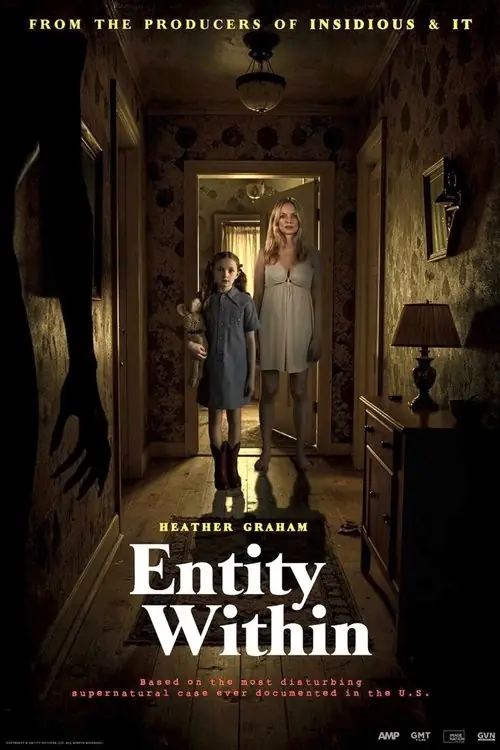
INT. GALLERY ROOM — SCI-FI · TOMORROW'S FRAME — DAY
Set against the smog-tinged, sun-bleached suburban sprawl of mid-1970s Los Angeles, Entity Within excavates the psychological horror that festers beneath the veneer of domestic tranquility. The film operates within the venerable tradition of the possession and haunting subgenre, yet it distinguishes itself through a deliberate refusal to indulge in the spectacular pyrotechnics that have come to define mainstream supernatural cinema. Instead, the director constructs an atmosphere of creeping dread through negative space, strategic silence, and the unnerving ambiguity of the unseen — a choice that aligns the picture more closely with the psychological naturalism of the 1970s paranoid thriller than with the digital cacophony of contemporary horror. The narrative architecture is deceptively simple: a single mother, already navigating the precarious economics of suburban survival, finds herself besieged by an invisible assailant whose existence defies rational explanation. The brilliance of the screenplay lies in its refusal to separate the supernatural ordeal from the mundane horrors of the protagonist's daily life — the condescension of male authority figures, the isolation of single parenthood, the institutional skepticism that greets women who dare to articulate experiences that fall outside the narrow bandwidth of acceptable reality. The film becomes a harrowing allegory of gaslighting, transforming the ghost story into a vehicle for examining how society systematically disbelieves and disempowers women who speak uncomfortable truths. Visually, the cinematography leans into the grain and texture of the period, employing a palette of ochres, avocado greens, and burnt oranges that evokes the faded Kodachrome of the era while simultaneously suffusing the frame with a sickly, claustrophobic warmth. The camera positions itself as a passive observer, often lingering in wide shots that force the audience to scan the periphery for signs of disturbance — a technique that generates a profound and sustained unease far more effectively than any jump scare could achieve. The arrival of the paranormal investigators introduces a secondary layer of thematic complexity, as the film begins to interrogate the very apparatus of belief and documentation that surrounds supernatural phenomena. The investigators are neither heroes nor charlatans; they exist in a liminal space between scientific inquiry and desperate faith, and their presence raises provocative questions about who is authorized to validate a woman's experience of violation. The emotional core of the film rests on the shoulders of the mother, whose performance conveys a weariness that transcends the generic demands of the scream-queen archetype. There is a bone-deep exhaustion in her portrayal, a sense that the invisible entity is merely the most literal manifestation of forces that have been assailing her long before the first attack. Culturally, the film resonates with contemporary conversations about the politics of credibility, the legacy of institutional misogyny, and the ways in which women's trauma is perpetually subjected to a burden of proof that male testimony rarely faces. As a contribution to the horror canon, Entity Within achieves something genuinely difficult: it honors the genre's capacity for visceral terror while insisting that the truest monsters are the ones society has already learned to ignore.
Source Reference
Original archive log: https://www.themoviedb.org/movie/1433027?language=en-US