INT. GALLERY ROOM — ACTION · MOVING FRAMES — DAY
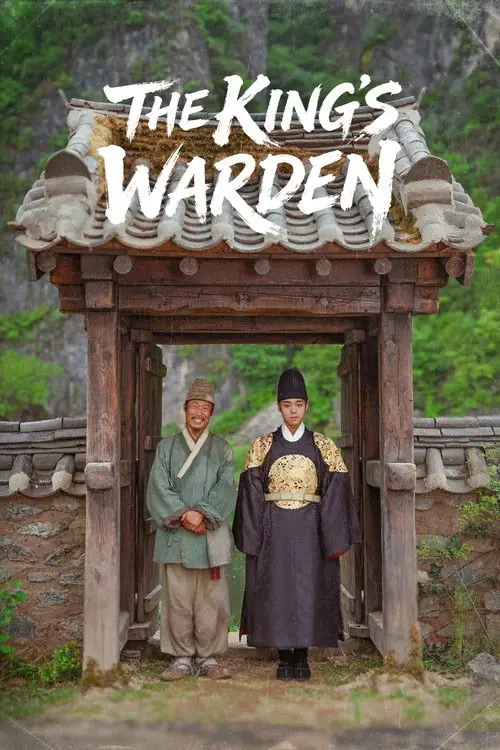
The tradition of the Korean historical drama, or sageuk, has long served as a vessel for national self-examination, using the canvas of the Joseon dynasty to explore questions of power, justice, and the individual's relationship to the state that resonate with undiminished urgency in the present. The King's Warden enters this venerable tradition with a premise of exquisite dramatic irony: a humble village headman, motivated by the most elemental of human desires — the hope of prosperity for his struggling community — petitions to host an exiled nobleman whose presence, rumor has it, will bring divine favor upon the hosting settlement. The cruel twist, unknown to our protagonist Heung-do, is that the nobleman in question is not merely some disgraced aristocrat but the deposed boy-king Danjong, whose very existence constitutes a political liability that the usurping powers would prefer to see erased. The film thus constructs its narrative on a foundation of tragic misapprehension, and the dramatic tension derives not from the revelation of secrets — the audience is privy to the irony from the outset — but from the agonizing anticipation of the moment when innocence collides with the implacable machinery of dynastic politics. The director's vision is rooted in a profound humanism that refuses to reduce any character to a mere function of the plot. Heung-do is not a naive fool but a man of genuine decency operating within the limited horizon of his village world, and his gradual awakening to the true nature of his guest is rendered with a delicacy that honors the character's dignity even as it charts his devastation. The deposed king, for his part, is portrayed not as a tragic monument but as a frightened child who has been stripped of everything — throne, family, identity — and deposited in a remote mountain community where the very kindness he receives is predicated on a misunderstanding of who he is. The relationship that develops between these two figures, the village headman and the fallen monarch, becomes the film's emotional engine, a study in the bonds that can form across the most vertiginous divides of status when both parties are stripped to their essential humanity. Cinematographically, the film draws its visual language from the landscape: the remote mountain setting is rendered with a painterly attention to the shifting moods of light and weather, and the isolation of the village is conveyed not through dialogue but through the composition of frames that emphasize the insignificance of human habitation against the vast indifference of the natural world. The palette is drawn from the subdued tones of the Korean countryside — muted greens, earthen browns, the grey of mountain mist — and the absence of the saturated colors associated with courtly sageuk signals the film's thematic investment in the world beyond the palace walls. The cultural significance of the film extends beyond its historical setting: the story of a community that inadvertently harbors a dangerous truth, and of a leader who must choose between collective safety and individual conscience, speaks to universal questions about complicity, courage, and the moral obligations that transcend political calculation. The emotional resonance of The King's Warden is cumulative rather than cathartic, building toward a conclusion that offers no easy resolution but instead leaves the viewer with the weight of a question that cannot be answered within the frame of the film: what would any of us do, in Heung-do's place, when hospitality becomes resistance and kindness becomes a form of treason?
Source Reference
Original archive log: https://www.themoviedb.org/movie/1321179?language=en-US