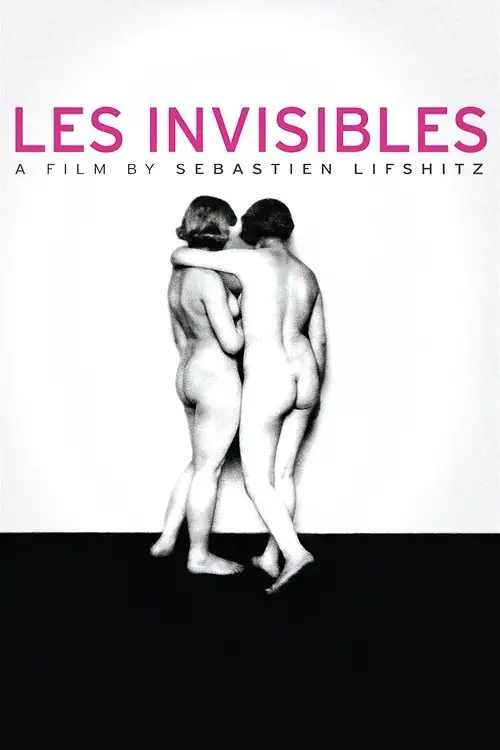
INT. GALLERY ROOM — SCI-FI · TOMORROW'S FRAME — DAY
Sébastien Lifshitz's documentary stands as an indispensable archival testament, a film that rescues from the margins a generation whose existence was systematically erased from public consciousness. The director assembles a chorus of voices—men and women now in their seventies and eighties—who recount the arc of lives lived with defiant authenticity in a France that criminalized and pathologized same-sex desire. What emerges is not merely oral history but a collective act of reclamation, each interview functioning as a tile in a mosaic that reconstructs a suppressed cultural memory. Lifshitz's camera adopts a posture of profound attentiveness, lingering on faces weathered by decades of struggle and resilience, allowing silence to carry as much weight as speech. The visual grammar of the film—its unhurried pacing, its naturalistic lighting, its rejection of archival montage in favor of the living presence of its subjects—insists that these stories are not relics of a distant past but urgent, breathing testimonies whose relevance has not diminished.
The film's structural brilliance lies in its refusal to homogenize experience. Lifshitz presents a spectrum of trajectories: from those who fled provincial towns for the relative anonymity of Paris, to women who forged utopian communities in the countryside, to individuals who navigated the treacherous terrain of heterosexual marriage before claiming their authentic selves. The documentary foregrounds the specific texture of French homophobia—the Catholic moral framework, the medical establishment's pathologizing gaze, the legal apparatus that rendered these lives illicit—while simultaneously illuminating the universal dimensions of the struggle for self-determination. One is struck by the extraordinary ordinariness of these accounts: the quotidian courage required to hold a partner's hand in public, to rent an apartment together, to simply exist without apology in a world that demanded concealment.
CUT TO: THE WORK UNFOLDS
What distinguishes Les Invisibles from conventional social-issue documentary is its aesthetic sensitivity. Lifshitz, whose previous work includes the celebrated Wild Side and Bambi, brings to this project a cinematographer's eye for the expressive potential of the human face. The interviews are shot with a shallow depth of field that isolates each subject against softened backgrounds, a technique that paradoxically heightens rather than diminishes their embeddedness in the world. The film understands that dignity is not merely a theme to be discussed but a quality to be enacted through the very act of looking. Each frame constitutes a rebuttal to the invisibility that the title names, transforming subjects who were once erased into luminous presences whose stories command the screen with quiet authority.
The film's emotional architecture is constructed with extraordinary restraint. Lifshitz resists the temptation of sentimental orchestration, allowing the cumulative weight of testimony to build organically. Moments of devastating candor—recollections of electroshock treatments, of family estrangement, of the terror of police raids—are balanced by accounts of clandestine joy, of found families, of the stubborn persistence of love in inhospitable conditions. The documentary functions simultaneously as elegy and celebration, mourning the lost time and stolen possibilities while honoring the indomitable spirit that refused to be extinguished. In an era of resurgent authoritarianism and renewed threats to LGBTQ+ rights globally, Les Invisibles transcends its historical specificity to become a document of profound contemporary urgency—a reminder that the freedoms we take for granted were won through the courage of those who refused to remain invisible.
Source Reference
Original archive log: https://www.themoviedb.org/movie/126331?language=en-US