INT. GALLERY ROOM — ACTION · MOVING FRAMES — DAY
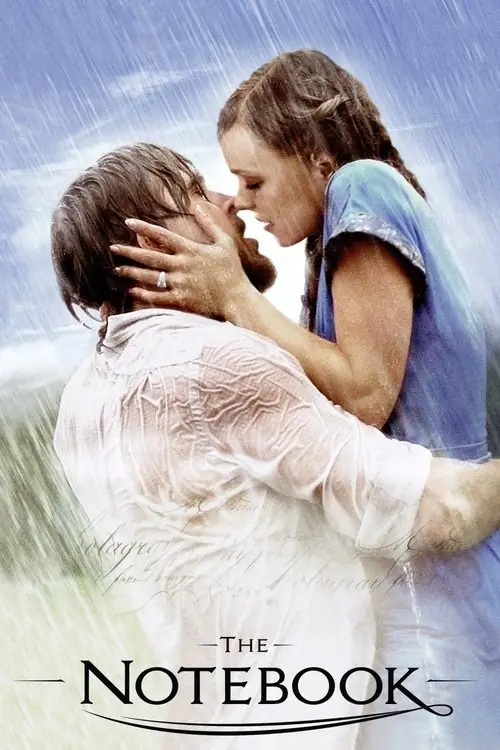
Nick Cassavetes's adaptation of Nicholas Sparks's bestseller occupies a contested position in the canon of American romance cinema—simultaneously dismissed by cynics as sentimental kitsch and fiercely defended by devotees as the platonic ideal of the tearjerker. To approach "The Notebook" with the analytical tools of the cinephile is to discover a film that operates on multiple registers simultaneously: a lush, unabashedly emotional love story on the surface, and beneath it, a far more troubling meditation on memory, identity, and the cruelty of a disease that erases the very self. The film's framing device—an elderly man reading to a fellow nursing-home resident from a weathered journal—establishes a dialectic between present and past that infuses every frame of the central romance with a kind of anticipatory grief. We know, even as we watch the young lovers collide and combust, that the story we are being told is already an elegy.
The central romance between Noah Calhoun and Allie Hamilton, embodied by Ryan Gosling and Rachel McAdams with a chemistry that famously spilled off-screen into a real-life relationship, is structured around the classic obstacle course of class difference, parental disapproval, and wartime separation. Noah, a lumber-mill worker from the wrong side of the tracks, is defined by a kind of elemental, almost prelapsarian authenticity—he builds things with his hands, recites Whitman from memory, and loves with a ferocity that borders on the unnerving. Allie, the daughter of wealth and social expectation, is caught between the gravitational pull of genuine passion and the orderly orbit of the life her parents have mapped for her. The film's great insight is that class is not merely an economic category but an aesthetic one: the world of Allie's parents is rendered in cool, composed interiors, while Noah's domain is all sun-drenched exteriors, raw wood, and the shimmering surface of the lake where their most iconic scenes unfold.
CUT TO: THE WORK UNFOLDS
The Southern Gothic atmosphere that Cassavetes cultivates—the moss-draped oaks, the plantation-era architecture, the cicada-hum of summer evenings—functions as more than regional color. It roots the love story in a specific texture of place, a landscape that seems to exist outside of time, where the heat and the languor conspire to lower defenses and dissolve inhibitions. The cinematography by Robert Fraisse leans into the golden-hour glow that has become the visual shorthand for romantic nostalgia, but it does so with a conviction that transcends cliché. When the young Noah and Allie lie in the middle of a deserted Charleston street, the camera pulling back to reveal their isolation in the frame, the image achieves a kind of mythic resonance—two figures suspended in a moment that already knows it is becoming memory.
What elevates "The Notebook" above its genre contemporaries is the genuine philosophical weight of its framing narrative. The scenes in the present-day nursing home, performed with devastating restraint by James Garner and Gena Rowlands, transform the film from a simple love story into a meditation on what it means to love someone who no longer remembers you. Rowlands, a titan of American independent cinema whose collaborations with her husband John Cassavetes redefined screen acting, brings an almost unbearable vulnerability to the role of the elderly Allie, her moments of lucidity piercing through the fog of dementia like shards of light. The film's final sequence, which refuses the consolations of a happy ending while simultaneously delivering one of the most emotionally overwhelming conclusions in popular cinema, is a masterclass in tonal management. "The Notebook" endures not because it is sophisticated but because it is sincere—a film that believes, with every fiber of its being, in the transformative power of devotion, and makes that belief feel not like wish fulfillment but like a species of grace.
Source Reference
Original archive log: https://www.themoviedb.org/movie/11036?language=en-US